
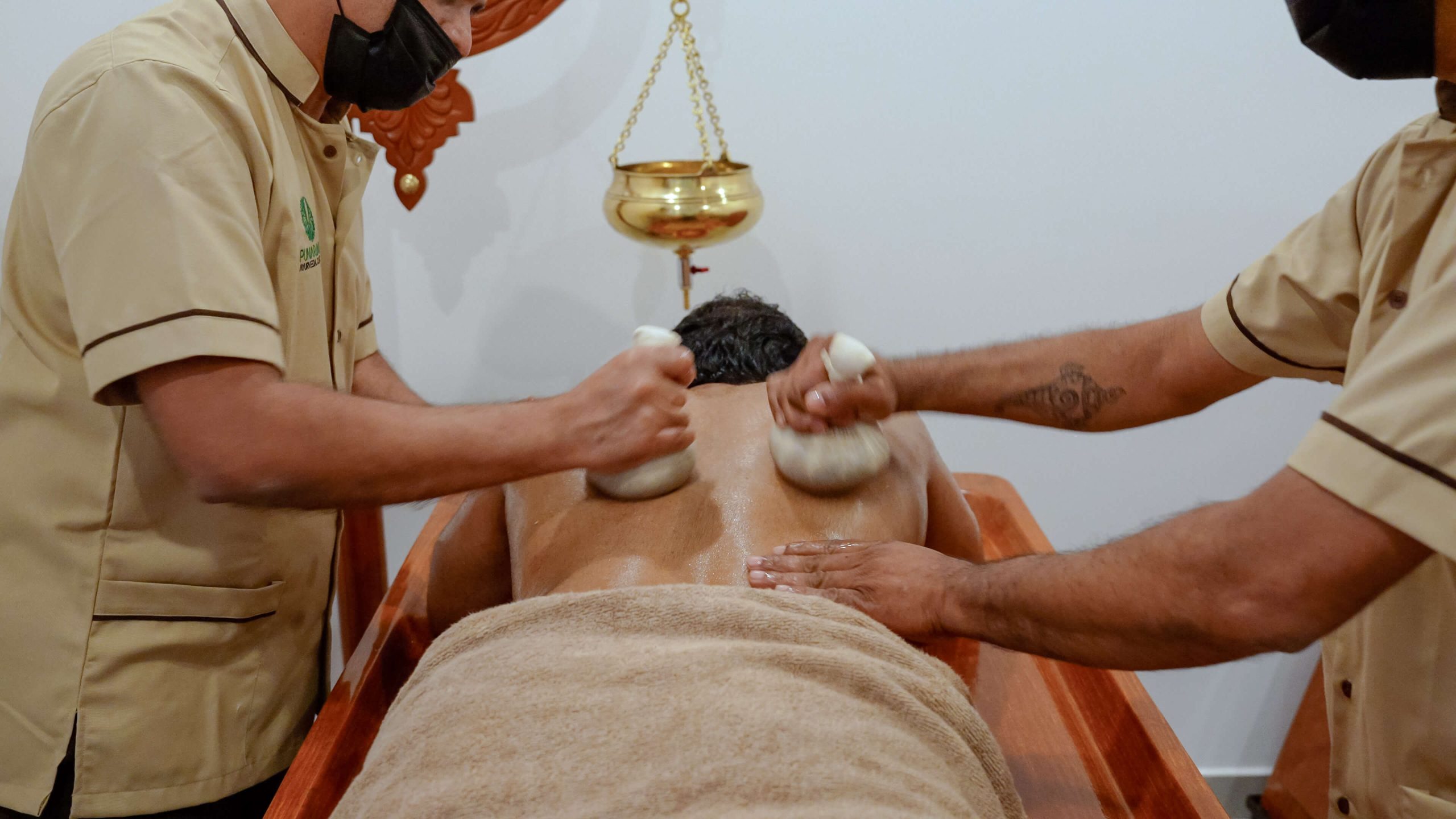
Are you juggling a hectic work-life schedule in Dubai, struggling with irregular meals, stress, skin or hair issues, and a constant sense of imbalance? You’re not alone — today’s fast-paced lifestyle often leads to what Ayurvedic experts call lifestyle diseases. The good news: there’s a time-tested, holistic solution gaining popularity in Dubai’s wellness scene. Panchakarma Treatment in Dubai, offered by leading Ayurveda clinics, isn’t just a detox—it’s a personalized healing journey that cleanses the body, calms the mind, and restores vitality.
In this article, we’ll explain how Panchakarma works, why it’s ideal for Dubai’s modern lifestyle, and how it helps with skin and hair health, stress relief, metabolic balance, and preventive wellness. You’ll discover the five key therapies, the three treatment phases, what to expect during a program, and how to sustain the results in daily life. Whether you seek rejuvenation, relief from chronic issues, or proactive wellbeing, explore how Ayurveda clinics use Panchakarma to treat lifestyle diseases—and how it can help you too.
Understanding Lifestyle Diseases in a Modern City Like Dubai
Dubai’s fast-paced lifestyle—with long work hours, irregular meals, frequent travel, and constant exposure to air-conditioned environments—quietly strains both body and mind. When routine becomes erratic, your digestive fire (Agni) weakens, toxins (Ama) build up, and the doshas (Vata, Pitta, Kapha) fall out of balance. The result? Lifestyle diseases such as stress, anxiety, poor digestion, skin issues, hair loss, hormonal imbalances, weight gain, and metabolic disorders.
Ayurvedic clinics in Dubai are increasingly addressing these modern challenges. They find that many patients not only suffer from physical symptoms but also feel “stuck”—unable to reset their bodies or overcome recurring skin and hair issues despite diet or exercise. Ayurveda offers a preventive, root-cause-based approach instead of just symptom management. For those with irregular routines—late nights, fast food, limited self-care—correcting the internal imbalance brings far more lasting transformation than surface treatments.
Additionally, Dubai’s dry climate, indoor cooling, pollutants, sedentary habits, and social dining culture intensify the issue. That’s why many wellness-focused residents now view Panchakarma treatment not as a luxury detox but as a strategic health reset—a holistic, personalized therapy perfectly suited for urban living.
What is Panchakarma? The Ayurvedic Detox Hero
If you’ve heard of Ayurvedic massages or oil therapies, you might still wonder what Panchakarma truly is. The word comes from “Pancha” (five) and “Karma” (actions), referring to five core therapies that eliminate toxins, balance doshas, and restore holistic health.
Unlike quick detox fads like juice cleanses, Panchakarma is an authentic Ayurvedic system described in the Charaka Samhita and Sushruta Samhita. It harmonizes Vata, Pitta, and Kapha, clears Ama (toxins), and rekindles Agni (digestive fire)—the root of vitality.
Panchakarma is entirely personalized. Practitioners assess your Prakriti (body type) and Vikriti (imbalance) to design a custom plan using specific oils, herbs, diet, and therapies. It’s not a standard package—it’s a treatment tailored to your lifestyle and stress patterns.
What makes Panchakarma so effective is its dual impact—it detoxifies the body and calms the mind. Beyond physical cleansing, it relaxes the nervous system, enhances mental clarity, and renews energy. Fatigue, poor digestion, dull skin, or hair fall are often your body’s way of saying it’s time for a complete Ayurvedic reset.
The Five Core Therapies of Panchakarma
1. Vamana (Therapeutic Emesis)
Vamana involves controlled, herbal-induced vomiting to eliminate excess Kapha dosha (earth + water). It’s ideal for issues like congestion, mucus buildup, sluggish digestion, and obesity.
In Dubai’s air-conditioned lifestyle and sedentary routines—often linked to respiratory congestion and weight imbalance—Vamana helps clear toxins, improve metabolism, and enhance respiratory health.
2. Virechana (Purgation Therapy)
This therapy uses herbal purgatives to flush toxins from the liver, gallbladder, and intestines, improving digestion and metabolism. It’s especially suited for Pitta imbalances such as acidity, hormonal fluctuations, and skin inflammation.
For those in Dubai with irregular eating patterns or heat-induced stress, Virechana supports detoxification, nutrient absorption, and stronger digestive fire (Agni).
3. Basti (Medicated Enema)
Often called the “king of Panchakarma,” Basti uses medicated oils or herbal decoctions administered rectally to cleanse the colon and balance Vata dosha (air + space).
It’s beneficial for stress, constipation, joint pain, and irregular digestion—common issues in Dubai’s demanding urban work culture. By restoring gut health, Basti promotes both mental calmness and physical rejuvenation.
4. Nasya (Nasal Therapy)
In Nasya, medicated oils or herbal extracts are applied through the nostrils to purify and revitalize the head region. It helps relieve sinus congestion, headaches, hair fall, and mental fatigue.
For individuals facing screen fatigue, poor sleep, or stress-related skin and hair problems, Nasya offers deep relief and improved mental clarity.
5. Raktamokshana (Blood Cleansing)
Though less frequently used, Raktamokshana focuses on purifying the blood—effective for Pitta-related issues like acne, chronic inflammation, and skin disorders.
Some Ayurveda clinics in Dubai adapt this therapy using modern techniques to enhance circulation and detoxification, particularly for chronic skin and hair concerns.
The Three Phases of Panchakarma Treatment
1. Purvakarma (Preparation Phase)
Before detox begins, the body is prepared with Snehan (oil massage) and Svedana (steam therapy) to loosen toxins and open channels of elimination.
In modern Dubai Ayurveda clinics, this phase often includes light dietary adjustments, hydration, and stress management practices to ease into cleansing.
2. Pradhanakarma (Main Cleansing Phase)
This is the core of Panchakarma—where the five main therapies are performed under physician supervision.
Programs typically last 7 to 21 days, with daily routines including specific meals, rest, therapies, and progress check-ins to ensure balance and safety.
3. Paschatkarma (Post-Cleansing Phase)
After detox, the body must be gently rebalanced. This stage includes light diet (Samjana Karma), mild yoga, and lifestyle guidance to stabilize digestion and energy.
Leading Ayurveda clinics in Dubai emphasize this phase to help clients maintain results and integrate new, sustainable wellness habits long-term.
What makes Panchakarma especially relevant in Dubai? A few reasons
Demand for Detox & Preventive Care in UAE
Dubai’s population comprises both locals and expatriates leading very fast-paced, high-stress lifestyles. Many wellness seekers are not just looking for treatment of disease but preventive maintenance. Clinics like those in Dubai promote “body purification & rejuvenation” as part of wellness tourism.
Clinics that Specialise in Panchakarma
Several centres in Dubai have built dedicated Panchakarma programmes following authentic Kerala traditions (for example authentic oil therapies, personalised dosha assessment). This means clients can access genuine Panchakarma without leaving the city.
Modern adaptations make it lifestyle-friendly
Because many clients are busy working professionals, clinics in Dubai adapt the programmes (duration, schedule, after-care) to suit their lifestyle. For example, stress management, skin/hair focus, detox for irregular lifestyle, all tailored. This positioning makes Panchakarma in Dubai much more accessible and relevant compared to the older model of in-hospital Ayurvedic retreat in India.
How Panchakarma Addresses Skin, Hair, Detox & Preventive Health
1. Skin Health and Panchakarma – Clearing Toxins from Within
In Ayurveda, skin problems often stem from Pitta and Kapha imbalances, sluggish digestion, and toxin build-up (Ama). directly targets these internal causes rather than just treating surface symptoms.
Through Virechana (purgation therapy) and other detox processes, Panchakarma helps purify the liver and gut, the two organs most linked to skin clarity and radiance. As toxins are eliminated, inflammation subsides and skin health naturally improves.
Clinics in Dubai report that Panchakarma can support conditions like acne, pigmentation, and dullness by cleansing at a cellular level. The Snehan (oil therapy) phase nourishes and hydrates the skin, enhancing elasticity and glow.
A unique insight from Dubai’s Ayurveda centers: combining Panchakarma with herbal skin therapies or facial abhyanga offers a holistic “beauty-from-within” experience—merging ancient detox methods with modern skincare comfort.
2. Hair Health and Panchakarma – Nourishing from the Inside Out
Your hair is often a mirror of your inner balance. Stress, poor digestion, hormonal shifts, and toxin accumulation are common triggers for hair loss or thinning. Panchakarma helps reverse these root causes through therapies like:
- Nasya: Cleanses and nourishes the head region, improving scalp health and blood circulation.
- Basti: Balances the gut and nervous system, ensuring better absorption of nutrients vital for hair strength.
- Post-Care Lifestyle Guidance: Includes diet, oiling routines, and stress management to sustain hair vitality.
3. Detox and Preventive Health for Irregular Lifestyles
If your lifestyle includes irregular meals, poor sleep, long work hours, or constant stress, your body gradually accumulates toxins and imbalances. Panchakarma Treatment acts as a full-system reset, helping to:
- Rekindle Agni (digestive fire) for better metabolism
- Eliminate Ama (toxins) from tissues
- Rebalance Doshas for improved mental and physical harmony
Modern research and wellness reports highlight that Panchakarma improves immunity, enhances energy, promotes better digestion, and even slows visible signs of aging.
An often-overlooked insight: Panchakarma isn’t just about cleansing—it’s about prevention. By resetting your system periodically, you build resilience and can avoid lifestyle diseases rather than treating them later. It’s a long-term investment in your health, not just a seasonal detox.
Managing Stress, Irregular Lifestyle and Metabolic Imbalance with Panchakarma
1. Stress – The Hidden Root of Lifestyle Diseases
Chronic stress is one of the biggest drivers of modern health issues. Elevated cortisol levels disrupt digestion, weaken immunity, disturb sleep cycles, and ev en contribute to premature ageing, skin breakouts, and hair fall.
Many Ayurvedic clinics emphasize that treatment offers far more than a spa-like relaxation—it’s a scientifically structured stress management therapy.
Through therapies like Shirodhara (warm oil pouring on the forehead), Abhyanga (therapeutic oil massage), and Nasya (nasal therapy), Panchakarma soothes the nervous system, balances hormones, and restores mental calm.
This deep relaxation response helps reduce anxiety, improve sleep quality, and support emotional stability. In Dubai’s high-pressure work culture, where burnout is common, Panchakarma acts as a reset button—aligning the body and mind to handle stress more effectively.
2. Irregular Meals, Weak Digestion, and Metabolic Fire (Agni)
Irregular meal patterns, late-night eating, and processed foods are everyday realities for many residents in Dubai. Over time, these habits weaken Agni (digestive fire)—the core mechanism responsible for nutrient absorption and toxin elimination.
When Agni weakens, Ama (toxins) accumulate, disrupting dosha balance and leading to fatigue, bloating, dull skin, hair thinning, and weight gain.
- Virechana (purgation): Cleanses the digestive tract and liver for better metabolism.
- Basti (medicated enema): Strengthens gut health and restores regular elimination.
- Personalized diet and lifestyle coaching: Tailored to reset digestion and regulate daily rhythms.
For Dubai’s busy professionals—often juggling desk jobs, travel, and irregular routines—Panchakarma offers a powerful, evidence-backed approach to restore digestive strength, vitality, and long-term balance.
Selecting the Right Ayurveda Clinic in for Panchakarma
1. Authentic Kerala-Style Panchakarma Therapies
When exploring Panchakarma Treatment in Dubai, authenticity matters. Genuine Ayurvedic clinics follow the Kerala tradition of Ayurveda, ensuring all five classical detox therapies—Vamana, Virechana, Basti, Nasya, and Raktamokshana—are offered, not just basic oil massages.
Clinics with qualified Ayurvedic physicians trained in Kerala bring deep diagnostic expertise, ensuring treatments align with classical Ayurvedic principles rather than generic wellness trends.
Look for mentions of “Kerala Ayurveda Panchakarma Treatments” or affiliations with trusted Indian Ayurvedic institutions. This ensures you’re receiving therapies designed for long-term healing, not just relaxation.
2. Personalized Healing Plans, Not One-Size Detoxes
True Panchakarma is never a standard package—it’s a bespoke health program tailored to your unique constitution (Prakriti), current imbalance (Vikriti), and lifestyle history.
A quality Ayurveda clinic in Dubai will begin with a thorough consultation covering your digestion, sleep, stress patterns, and concerns like skin, hair, or weight issues.
From this, the practitioner designs a custom Panchakarma plan—selecting which of the five therapies are needed, along with their duration, diet, and supporting herbs.
Avoid centers that advertise the same “7-day detox for everyone”—true Ayurvedic healing respects your individual body chemistry.
Post-Panchakarma Care: Diet, Yoga & Daily Routine
Once the cleansing phase is complete, your system becomes more receptive and balanced. To preserve these results, the ayurvedic center recommends adopting gentle, mindful daily habits that continue to support your dosha harmony.
- Morning Rituals: Begin your day with a self-oil massage (Abhyanga) using warm medicated oil, followed by a cup of warm water or herbal tea to aid digestion and circulation.
- Balanced Diet: Favour light, freshly cooked vegetarian meals, and avoid processed, heavy or cold foods that can disturb your digestive fire (Agni).
- Movement & Mindfulness: Incorporate yoga, pranayama (breathing exercises) and short meditation sessions to calm the nervous system and maintain clarity.
- Rest & Rhythm: Prioritise consistent sleep patterns and downtime; a relaxed nervous system helps sustain the balance achieved during Panchakarma Treatment
Many wellness experts in Dubai highlight that maintaining these habits after therapy ensures the results last longer and prevent recurrence of lifestyle imbalances.
How Often Should You Repeat Panchakarma?
For preventive health and long-term balance, Ayurvedic Doctors in Dubai generally advise a Panchakarma programme once or twice a year, particularly during seasonal changes. Those with chronic or recurring conditions may benefit from more frequent or targeted sessions, as determined by their practitioner.
Monitoring Results for Skin, Hair & Overall Wellness
Following treatment, you should observe tangible improvements—
- stronger digestion and metabolism,
- clearer and brighter skin,
- thicker, healthier hair,
- deeper sleep, and
- noticeably reduced stress levels.
Quick Takeaways
- It’s especially relevant in Dubai for skin/hair care, stress reduction, metabolic & lifestyle disease prevention.
- The treatment includes five major therapies (Vamana, Virechana, Basti, Nasya, Raktamokshana) within a three-phase process (preparation, cleansing, after-care).
- Selecting an authentic Ayurvedic clinic in Dubai means personalised care, proper duration and good follow-up.
- The real benefit comes when you integrate the aftercare (diet, yoga, sleep, routine) and view it as preventive health—not just a one-off experience.
Conclusion
In today’s fast-paced Dubai lifestyle—where work, travel, and constant digital engagement rarely pause—taking charge of your health is essential, not optional. Panchakarma Treatment in UAE offers a structured, personalised and deeply rejuvenating way to detoxify your body, calm your mind, refresh your skin and hair, and prevent the onset of lifestyle diseases.
By choosing a trusted Ayurveda clinic, following the three-phase Panchakarma journey (preparation → cleansing → after-care), and committing to healthy routines afterwards, you lay the foundation for lasting balance and vitality.
Whether you seek relief from stress, digestion issues, or skin and hair concerns, or simply want to feel lighter and more in sync, Panchakarma provides a scientifically rooted and tradition-backed pathway to preventive wellness.
Your body remembers when you stop reacting and start healing. If you’ve been feeling “off” or simply want to elevate your health, now is the time. Book your consultation, ask the right questions, and let your Panchakarma journey in Dubai become the turning point for true wellness.
FAQs
Q1: How long does Panchakarma take?
A: Duration depends on your health, lifestyle, and goals. Most Panchakarma programmes in Dubai last 7–21 days, with 14 days being ideal for busy professionals.
Q2: Can Panchakarma help with hair fall and dull skin?
A: Yes. By detoxifying the body, improving digestion, and balancing doshas, Panchakarma enhances skin clarity, glow, and hair strength. Many clinics also include targeted hair and skin therapies.
Q3: Is Panchakarma safe for irregular lifestyles (late nights, travel)?
A: Yes, with proper evaluation by a qualified Ayurvedic doctor. To get full benefit, diet, sleep, and stress must also be managed. Treatment plans can include extra support for travel-heavy routines and detailed after-care.
Q4: How often should I do Panchakarma?
A: For preventive health, experts recommend it once or twice a year, especially during seasonal transitions or when stress and fatigue build up.
Q5: What should I ask before booking Panchakarma in Dubai?
A: Ask:
- Who is the Ayurvedic physician and what are their credentials?
- Which therapies are included and how personalised is it?
- What’s the daily schedule (therapies, meals, rest)?
- Is after-care or lifestyle coaching included?
- What’s the total cost—any hidden fees?
- Any contraindications or exclusions?